Tag: https://www.m88linkid1.com
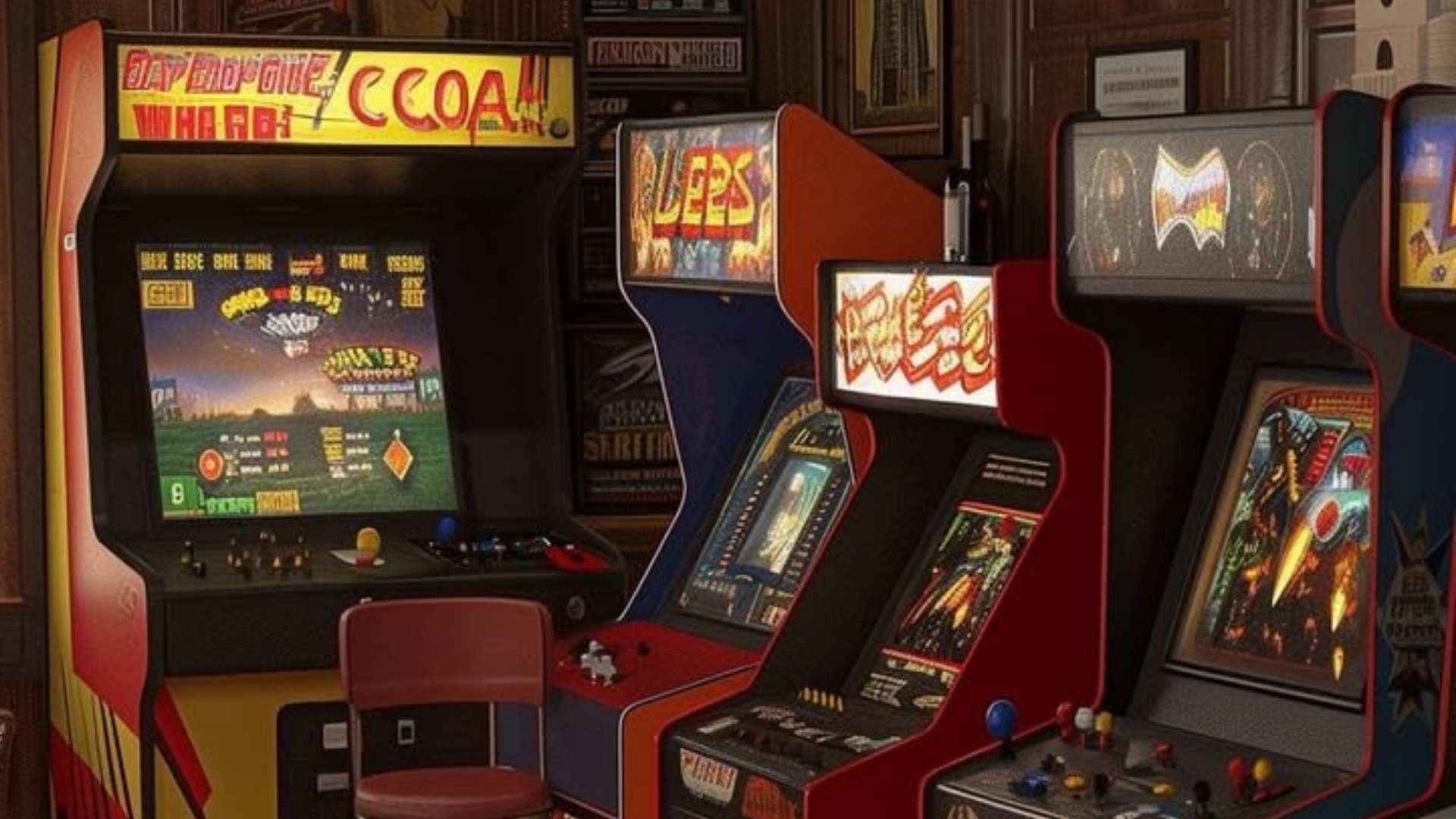
Dynamic Prize Features And The Art Of Creating...
Digital environments are constantly evolving to keep participants interested and motivated over extended periods. One of the most effective strategies modern systems use involves dynamic prize features that introduce an element of unexpected joy. By moving away from static reward schedules, developers can craft experiences that feel responsive and genuinely rewarding for every user.
Understanding the Psychology of Dynamic Rewards
Unpredictability naturally catches human attention and heightens emotional engagement during interactive tasks. When a reward is guaranteed but its exact nature remains a mystery, anticipation builds up positive emotional energy. This excitement transforms routine interactions into memorable events that users look forward to repeating.
Furthermore, dynamic rewards disrupt monotony by keeping experiences fresh and adaptive. Users who encounter unexpected bonuses are more likely to stay focused and retain interest over time. This psychological principle underpins many successful engagement frameworks across modern digital platforms.
Designing Surprises That Deliver Real Value
For a surprise to be meaningful, it must provide tangible value that aligns with user expectations. Random items or arbitrary bonuses quickly lose their appeal if they do not serve a practical purpose within the experience. Designers must carefully balance the frequency of unexpected prizes with their relative utility.
High-quality surprise systems often tailor outcomes based on user progression and activity history. Players looking for seamless access to online platforms can check the m88 asia login to experience dynamic features firsthand. Ensuring that every unexpected feature feels intentional helps build long-term trust and loyalty.
Maintaining Balance and Player Trust
While randomness generates excitement, unchecked variance can lead to feelings of unfairness or frustration. Dedicated participants need to feel that their time and effort are recognized, regardless of luck. Implementing underlying safety nets ensures that everyone receives baseline satisfaction alongside random perks.
Transparency regarding system mechanics also plays a vital role in sustaining user confidence. Clear rules prevent misunderstanding and reinforce the perception that dynamic rewards are fair. When participants trust the underlying system, unexpected bonuses become delightful highlights rather than sources of skepticism.
The Future of Interactive Reward Systems
As technology continues to advance, machine learning and real-time data analysis will further refine how rewards are distributed. Future systems will likely anticipate user preference with greater precision, delivering customized surprises at optimal moments. This ongoing evolution promises richer, more personalized experiences for users worldwide.
Ultimately, the art of creating meaningful surprises lies in blending psychological insights with thoughtful system design. By focusing on value, fairness, and responsiveness, modern platforms can build captivating environments that stand the test of time.

Bridge Strategies For Managing Weak Hands
In contract bridge, holding a hand with low high-card points can feel like an insurmountable disadvantage. However, managing weak hands effectively is one of the most critical skills that separates average players from experts. By making disciplined choices during the auction and focusing on tactical defense, you can minimize loss and even force opponents into making errors.
Evaluating Hand Shape Over Point Counts
When high cards are scarce, hand distribution becomes your most valuable asset during play. A hand with low point counts but a long suit can offer surprising trick-taking potential or valuable preemptive power. Recognizing the difference between a flat, balanced weak hand and a distributional shape allows you to assess risk accurately.
A flat weak hand often provides very little offensive potential and should usually be passed without hesitation. Conversely, distributional weak hands with a single long suit offer opportunities to disrupt opponent bidding. Understanding this distinction prevents you from overbidding poor holdings while maximizing useful shape.
Using Preemptive Bids to Disrupt Opponents
Preemptive bidding is the primary tool for dealing with low-card hands that feature long, strong suits. Opening or overcalling at a high level consumes the opponent's bidding space, making it harder for them to communicate. This pressure frequently forces opponents to guess their best contract or settle for sub-optimal results.
Timing and suit quality are essential when deciding to launch a preemptive strike at the table. Players searching for useful card tactics or checking the latest m88 asia login details know that disciplined strategy always outperforms pure aggression. Maintaining strict standard rules ensures your partner knows what to expect when you bid weakly.
Mastering the Art of Disciplined Passing
Passing is often the most strategic move available when holding a hand with minimal trick potential. Bidding unnecessarily with a poor hand informs opponents about your lack of strength and exposes your partnership to penalties. Patience allows the auction to develop naturally so your partner can make informed decisions.
When you pass quietly, you conserve options and keep opponents in the dark regarding card distribution. Defensive opportunities frequently arise later in the hand when opponents overreach in their bidding. Silence during the auction can be a powerful shield that prevents minor losses from becoming severe setbacks.
Maximizing Defensive Value Through Signals
When your partnership is forced onto defense, a weak hand can still play a pivotal role in the match outcome. Accurate defensive signaling gives your partner the information needed to navigate complex trick-taking situations. By carefully choosing which cards to discard or lead, you actively assist in defeating the contract.
Even without high honors, leading low cards or signaling attitude helps direct your partner toward their winning tricks. Consistent signaling creates a unified defense that compensates for a lack of high-card strength. Focusing on team coordination turns a weak individual holding into an effective defensive weapon.