Tag: Game Strategies
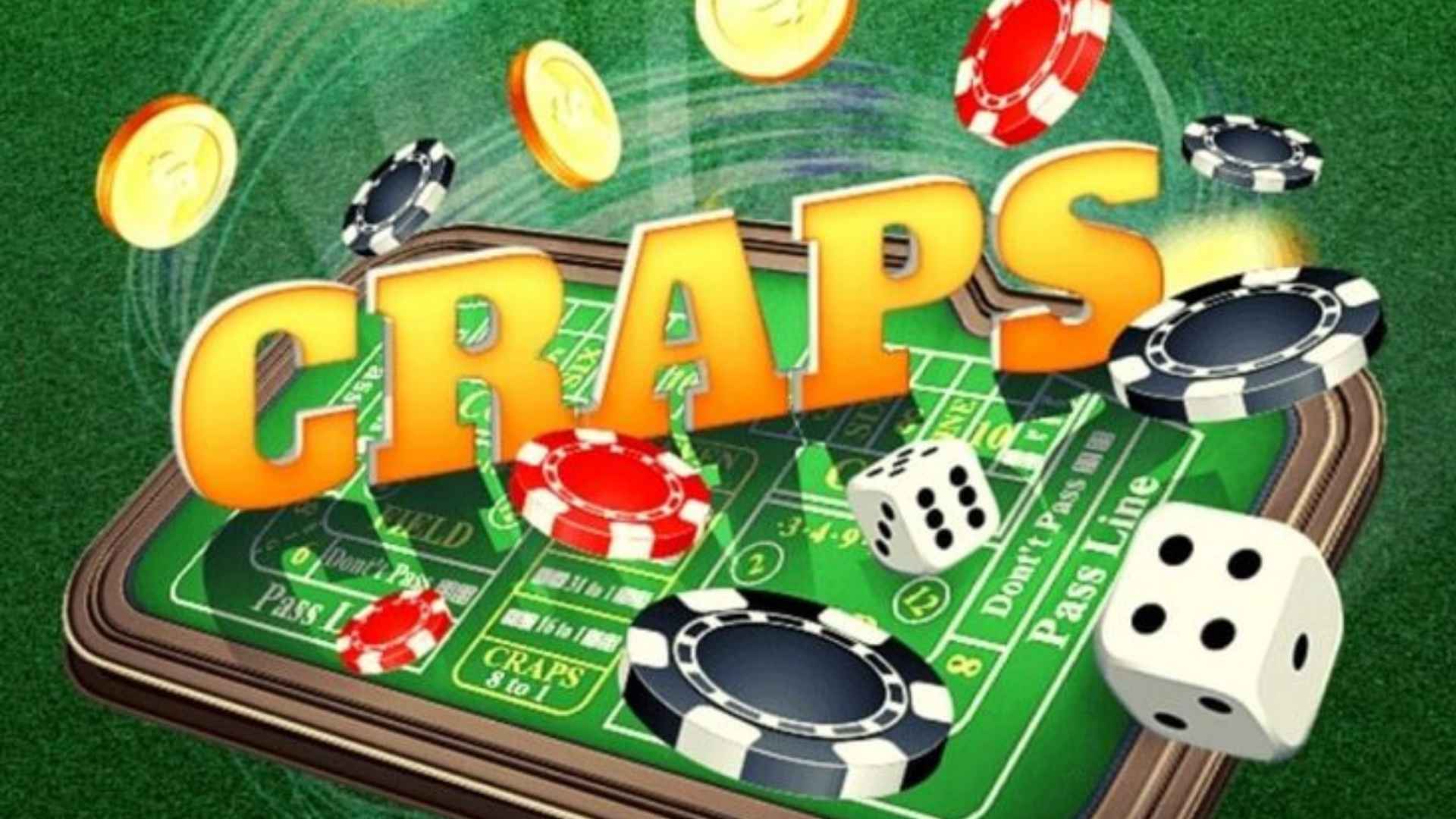
How Probability Games Encourage Strategic Thinking
Probability games have long served as more than just simple sources of entertainment. By introducing elements of chance and risk, these interactive activities force participants to think multiple steps ahead. Over time, engaging with these mathematical challenges can significantly sharpen a person's ability to plan effectively in unpredictable environments.
Understanding Risk Assessment
Every decision made within a probability-based environment requires a careful calculation of potential outcomes. Players must weigh the likelihood of a positive result against the penalties of a failed attempt. This continuous evaluation naturally trains the brain to assess risks dynamically rather than relying on pure guesswork.
As individuals expose themselves to these quantitative scenarios, they learn to separate emotional impulses from logical deductions. This shift in mindset allows for clearer judgment when facing uncertain conditions in both recreational and professional settings. Ultimately, mastering risk assessment is a foundational component of long-term planning.
Adapting to Dynamic Scenarios
Unlike fixed puzzles, chance-driven activities change constantly with every turn or roll of the dice. A strategy that worked perfectly in one round might become completely obsolete in the next phase. This fluidity forces participants to remain highly flexible and adapt their methods on the fly.
Developing this type of mental agility helps individuals navigate real-world situations where variables alter unexpectedly. Many modern web platforms utilize these exact mathematical principles to challenge users in highly immersive environments. If you are looking to test your planning skills in a secure digital environment, visiting a reputable platform like the M88 Login alternatif can provide an excellent perspective on how shifting odds influence human decision-making.
Long-Term Planning vs Short-Term Gains
Beginners often focus entirely on the immediate results of a single round or choice. However, experienced strategists understand that sustainable success relies on looking at the broader statistical picture. They learn to accept small, temporary setbacks if those moments contribute to an overall positive outcome later on.
This crucial realization helps players cultivate patience and emotional resilience during complex challenges. By prioritizing the long-term trend over momentary distractions, individuals build a much stronger foundation for strategic success. This shift in perspective is perhaps the most valuable lesson that mathematical gameplay offers to its participants.
Enhancing Logical Decision Making
Regular engagement with statistical gaming structures systematically eliminates reliance on mere superstition. Players begin to see patterns based on actual mathematical frequency rather than assuming an event is due to occur simply based on luck. This empirical approach fundamentally alters how one tackles everyday problem-solving scenarios.
When logic replaces intuition, the quality of an individual's choices improves dramatically across various aspects of life. Strategic thinking thrives on structured data, and probability games provide the perfect training ground for this methodology. Through consistent practice, anyone can learn to approach complex situations with a balanced and highly analytical mindset.

Smart Dominoes Moves That Make a Difference
Dominoes is far more than a game of matching identical numbers on wooden or plastic tiles. While luck determines the hand you are dealt, the tactical choices you make during a round ultimately dictate the outcome. Understanding how to control the board can transform a casual enthusiast into a formidable opponent.
The Strategic Art of Board Control
Controlling the open ends of the layout is the single most effective way to dominate a match. By tracking which numbers are currently available, you can play tiles that restrict your opponent's options while keeping your own pathways open. This deliberate pressure forces other players into difficult scenarios where they must pass or make unfavorable plays.
Advanced players pay close attention to which suits their opponents actively avoid during their turns. If you notice someone consistently passing on a specific number, you can manipulate the layout to keep that number active. This high-level reading of the board shifts the momentum entirely in your favor.
Managing High-Value Tiles Early
Holding onto heavy tiles with high pip counts is one of the most common mistakes a novice player can make. While these tiles offer substantial scoring potential, keeping them in your hand until the endgame is incredibly risky. If a round suddenly blocks, the player holding the heaviest hand will suffer a significant loss of points.
To mitigate this risk, seasoned strategists aim to play their heaviest tiles during the opening phases of the match. This proactive move ensures that even if you do lose the round, the points awarded to your opponent are kept to an absolute minimum. Maintaining a light, flexible hand is key to long-term success.
The Power of Hands-On Practice
To truly master these advanced tactics, consistent practice against different types of opponents is highly recommended. Exploring various digital platforms allows you to test your skills against artificial intelligence and experienced human players alike. For those seeking structured entertainment, finding a reliable portal like login situs m88 can offer access to competitive gaming environments.
Engaging with a global community of players helps expose you to diverse playstyles and unique defensive tactics. Over time, this exposure sharpens your quick-thinking abilities and helps you make calculated decisions under pressure. Transitioning between computer matches and live players will accelerate your learning curve significantly.
Understanding Endgame Scenarios
As the tile count in the boneyard dwindles, the nature of the game shifts from open offense to tight defense. Successful players begin calculating remaining tile combinations based on what has already been placed on the table. This deductive reasoning allows you to predict your opponent's final moves with surprising accuracy.
If you suspect an opponent is close to playing their final bone, your primary goal should be to block their access. Placing a tile that matches their weak suits can force them to pass, giving you a chance to empty your hand first. Mastering these late-game maneuvers is what separates good players from true masters.