Creative Ways to Enjoy Number Games
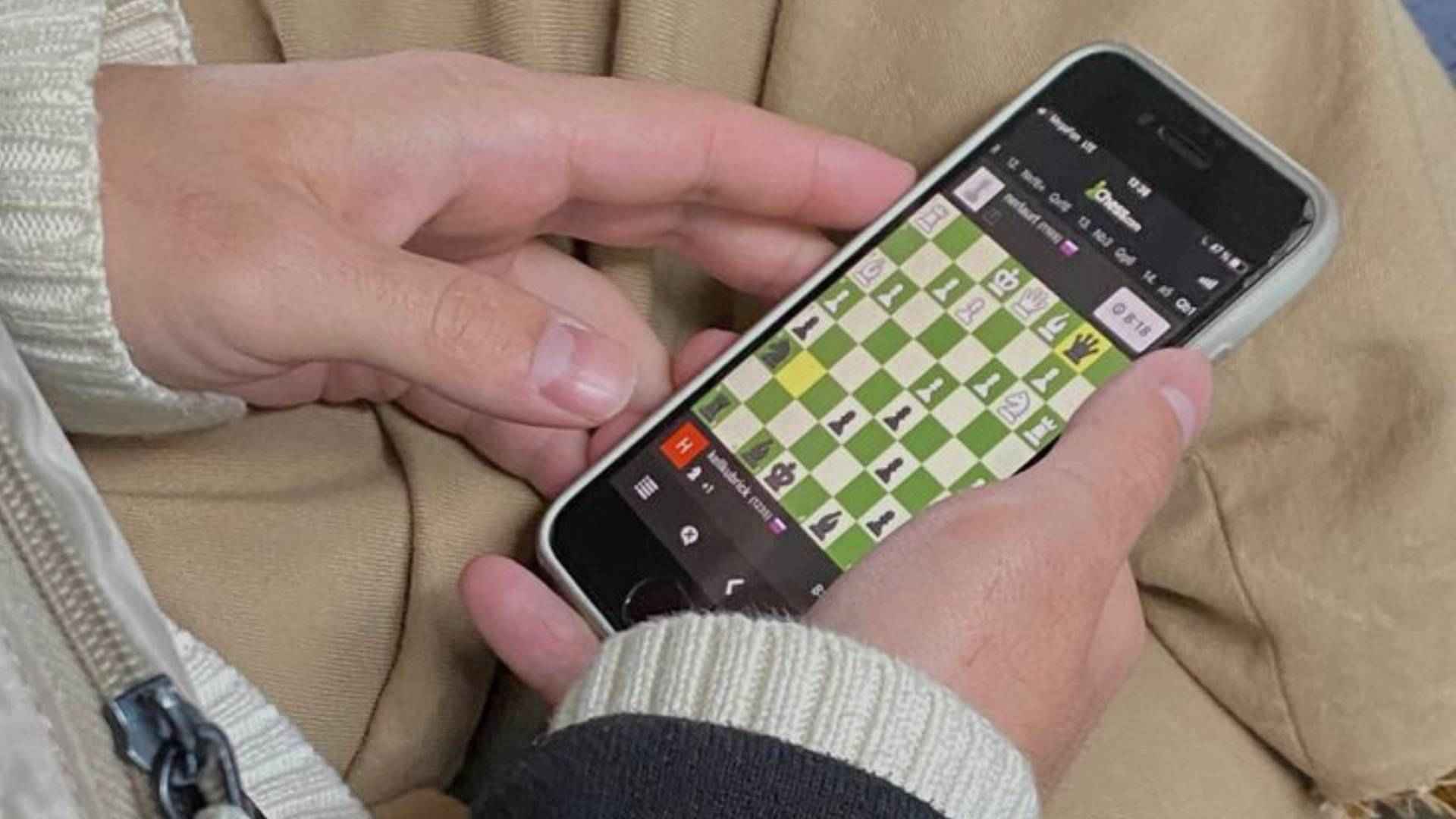
Number games have transcended traditional boundaries, evolving from simple childhood pastimes into highly engaging activities that promote cognitive development and mental agility. Incorporating unique variations into your routine can transform how you interact with numerical challenges, turning solitary practice into a vibrant social experience. Exploring innovative methods ensures that keeping your mind active remains a delightful and dynamic pursuit for individuals of all ages.
Integrating Group Dynamics and Friendly Competition
Transforming math puzzles into interactive group events significantly elevates the entertainment value for everyone involved. Hosting a dedicated game night centered around timed numerical matrixes or sequential cooperative puzzles encourages lively collaboration and fast-paced communication. These shared activities not only make learning enjoyable but also strengthen interpersonal connections through cooperative problem-solving.
For those seeking a digital gateway to diverse community challenges, exploring popular virtual hubs provides excellent opportunities. Accessing reliable platforms via the login situs m88 allows enthusiasts to engage with broad logical exercises and connect with global strategy players. Embracing modern digital alternatives ensures you have constant access to a fresh stream of structured mathematical activities anytime.
Combining Physical Movement with Numerical Puzzles
Blending physical exercise with cognitive testing offers a complete wellness approach that boosts both bodily health and mental clarity. You can create an outdoor scavenger hunt where progressing to the next location requires solving a specific mathematical riddle or pattern recognition task. This active learning approach reinforces memory retention and breaks the monotony of traditional desk-bound exercises.
Another excellent method is tracking daily workout statistics and utilizing those metrics to build personalized mathematical targets. Transforming your running distance, repetition counts, or active minutes into variable puzzle pieces keeps your daily fitness goals intriguing. This unique combination makes both tracking your fitness and practicing logical puzzles highly rewarding.
Applying Theoretical Challenges to Real World Scenarios
Connecting theoretical number puzzles to practical daily decisions makes logic training immediately useful and highly relevant. Budget mapping, resource allocation, and optimizing travel schedules serve as exceptional real-life frameworks for practicing advanced numerical deduction. When you treat everyday dilemmas as intricate math logic problems, your analytical skills improve naturally over time.
Furthermore, analyzing the numerical patterns embedded within standard design structures or musical compositions provides deep intellectual satisfaction. Observing how sequences dictate rhythm, architectural symmetry, and historical art pieces adds a profound layer of appreciation to your standard logic study. This comprehensive perspective transforms routine counting exercises into an expansive exploration of worldwide patterns.